

Top Shelf Exotics
Top Shelf Cannabis Premium Flower
Top shelf cannabis is a term commonly used to describe cannabis products that are marketed or presented as premium or higher-end products. The term can refer to flower, cultivars, concentrates, infused products, and other cannabis categories.
However, “top shelf” is not a universal scientific measurement of cannabis quality. Product characteristics can vary considerably, so it is useful to look beyond marketing language when comparing cannabis products.
Browse the Top Shelf Exotics collection below and learn more about the factors that can help you understand and compare premium cannabis products.
Important: Cannabis laws, product availability, and purchasing requirements vary by jurisdiction. Always follow the laws and regulations that apply to your location.
What Does “Top Shelf” Cannabis Mean?
“Top shelf” is a commonly used marketing and consumer term for cannabis that is positioned as premium or high quality. Unlike a laboratory measurement, however, the term does not have one universal definition.
A product described as top shelf may be associated with factors such as cultivar selection, cultivation practices, appearance, aroma, terpene composition, cannabinoid content, freshness, packaging, or brand reputation.
Because the term is subjective, consumers should consider actual product information rather than relying on the phrase “top shelf” alone.
What Makes Cannabis Flower Premium?
There is no single characteristic that determines whether cannabis flower is premium. Several factors can contribute to how a product is evaluated.
Cultivar
Cannabis flower is often sold using cultivar or strain names. Different cultivars can have different cannabinoid concentrations, terpene profiles, aromas, flavors, and physical characteristics.
Terpene Profile
Terpenes are aromatic compounds found in cannabis and many other plants. They can contribute to the aroma and flavor characteristics associated with different cannabis products.
Learn more in our Cannabis Terpenes Explained guide.
Cannabinoid Profile
Cannabinoids are chemical compounds found in cannabis. THC and CBD are among the best-known cannabinoids, although cannabis contains many others.
Cannabinoid information may be provided on product packaging or laboratory documentation. Depending on the product and jurisdiction, information may be expressed as percentages, milligrams, or other measurements.
Cultivation and Processing
Cultivation and processing methods can influence the characteristics of a cannabis product. Factors may include growing environment, harvesting, drying, curing, trimming, storage, and other production practices.
Freshness and Storage
Cannabis products can be affected by environmental conditions over time. Appropriate storage can help protect products from unnecessary exposure to heat, light, moisture, and other environmental factors.
Top Shelf Flower vs. Standard Cannabis Flower
The difference between products marketed as top shelf and standard flower is not always determined by one measurable characteristic.
When comparing products, consider the actual product information available rather than assuming that a higher price or premium label automatically means higher quality.
- Look at the cultivar or product name.
- Review available cannabinoid information.
- Look for terpene information when available.
- Check the product’s testing information where applicable.
- Consider cultivation and processing information.
- Check packaging and batch information.
- Consider freshness and storage conditions.
Understanding Cannabis Terpenes
Terpenes contribute to the aroma and flavor characteristics associated with many cannabis products. Different cultivars can have different terpene profiles.
Terms such as citrus, fruity, earthy, floral, pine, and spicy are often used to describe cannabis aroma and flavor.
For a deeper explanation, read our complete cannabis terpene guide.
Understanding Cannabis Potency
Cannabinoid concentration is another piece of information that may appear on cannabis product labels.
THC and CBD are commonly reported, but cannabinoid concentration alone does not provide a complete description of a cannabis product.
For this reason, comparing products using only a THC percentage can overlook other useful information such as terpene composition, cultivar, testing, freshness, and product characteristics.
You can also learn more about cannabinoids in our THC vs. CBD guide.
How to Evaluate a Premium Cannabis Product
If you are comparing products described as premium or top shelf, look for specific product information instead of relying entirely on marketing language.
1. Check the Product Information
Look at the product name, cultivar or strain information, cannabinoid information, weight, ingredients where applicable, and other labeling details.
2. Look for Testing Information
Where applicable, laboratory testing information can provide additional details about a cannabis product.
Learn more about laboratory documentation in our guide: What Is a Cannabis COA?
3. Consider the Terpene Profile
When terpene information is available, it can provide additional context about a product’s aroma and flavor characteristics.
4. Check Storage and Packaging
Packaging and storage conditions can affect the condition of cannabis products. Look for intact packaging and relevant product information before making a purchase.
5. Don’t Rely on Price Alone
A higher price does not automatically prove that a cannabis product is better. Price can be influenced by many factors, including brand positioning, cultivation, production, availability, packaging, and market conditions.
Top Shelf Cannabis Products
Explore the products currently available in our Top Shelf Exotics collection. Product availability, pricing, product descriptions, and quantities may change over time.
Related Cannabis Guides
- Cannabis Education Hub
- Cannabis Flower
- Cannabis Terpenes Explained
- THC vs. CBD in Vape Cartridges
- What Is a Cannabis COA?
- How to Store Cannabis Vape Products
Marketing terms such as “top shelf” don’t replace laboratory information. Learn how to read a Cannabis COA and understand the testing information associated with cannabis products.
Frequently Asked Questions About Top Shelf Cannabis
What does top shelf cannabis mean?
Top shelf cannabis is a common marketing and consumer term used to describe products positioned as premium or higher-end. The term does not have one universal scientific definition, so consumers should evaluate the actual product information available.
Is top shelf cannabis always better?
Not necessarily. “Top shelf” is not a standardized measurement of cannabis quality. Product characteristics, testing information, terpene profiles, cultivation, freshness, and other factors can be more useful when comparing products.
What should I look for in premium cannabis flower?
Consider the cultivar, cannabinoid information, terpene profile, testing information, cultivation and processing details, freshness, packaging, and other available product information.
Are top shelf cannabis products more potent?
Not necessarily. A premium or top shelf label does not automatically indicate a higher cannabinoid concentration. Check the actual product information for details about cannabinoid content.
What are cannabis terpenes?
Terpenes are aromatic compounds found in cannabis and many other plants. They contribute to the aroma and flavor characteristics associated with different cannabis products.
What is a cannabis COA?
A Certificate of Analysis, or COA, is a laboratory report that can provide testing information about a cannabis product. The information included can vary depending on the product, laboratory, and applicable requirements.
Read our complete cannabis COA guide.
Explore More Cannabis Education
Learn more about cannabis products, cannabinoids, terpenes, vape cartridges, authenticity, storage, and other cannabis topics in the Crude Boys Cannabis Education Hub.
Cannabis laws, regulations, product availability, and purchasing requirements vary by jurisdiction and may change over time. This information is provided for general educational purposes and should not be treated as legal or medical advice. Always follow the laws applicable to your location.
Showing all 17 results
-
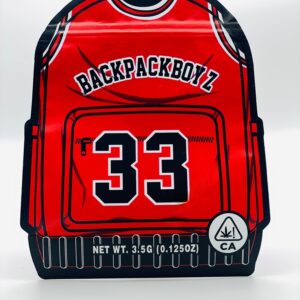
#33 Scottie Pippen Strain by The Backpack Boyz and 5 Points
Price range: $150 through $350Select options This product has multiple variants. The options may be chosen on the product pageClear3 packs5 packs10 packs -
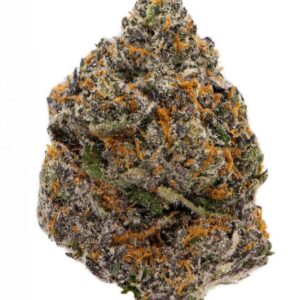
Black Cherry Gelato Strain |By BACKPACKBOYZ ✖️ 5 POINTS
Price range: $800 through $2 000Select options This product has multiple variants. The options may be chosen on the product pageClear1 P3 P -
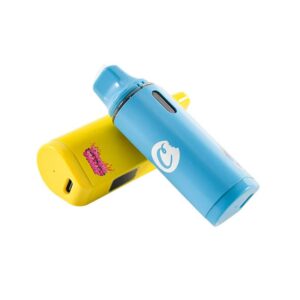
BUY COOKIES 2G DISPOSABLE VAPES
Price range: $75 through $200Select options This product has multiple variants. The options may be chosen on the product pageClear3 packs5 packs10 packs -
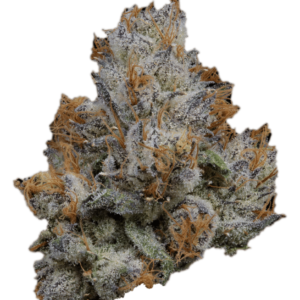
Buy LEMON CHERRY GELATO STRAIN – By BACKPACKBOYZ
Price range: $800 through $2 000Select options This product has multiple variants. The options may be chosen on the product pageClear1 P3 P -
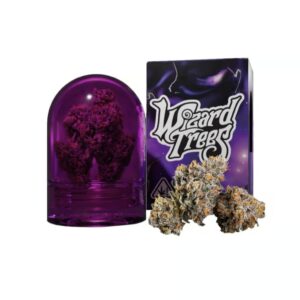
Buy ZOZA STRAIN by Wizard Trees
Price range: $800 through $2 000Select options This product has multiple variants. The options may be chosen on the product pageClear1 P3 P -
CHERRY RUNTZ STRAIN BY DOJA
Price range: $800 through $2 000Select options This product has multiple variants. The options may be chosen on the product pageClear1P3 P -
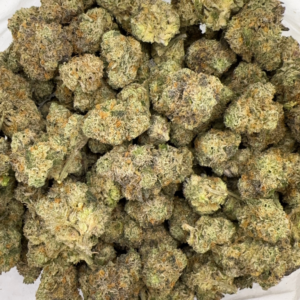
Cookies Sticky Buns strain
Price range: $900 through $2 100Select options This product has multiple variants. The options may be chosen on the product pageClear1 P3 P -
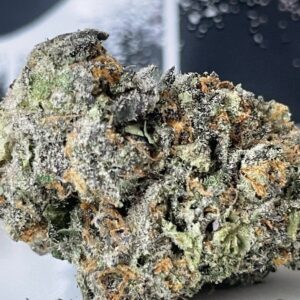
FRUITRIDGE STRAIN by Doja
Price range: $800 through $2 000Select options This product has multiple variants. The options may be chosen on the product pageClear1 P3 P -
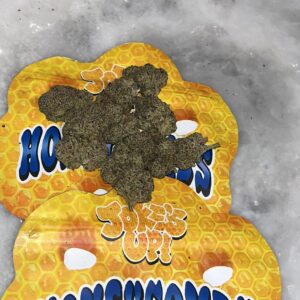
Honeycombs Strain – By Joke’s Up
Price range: $800 through $2 000Select options This product has multiple variants. The options may be chosen on the product pageClear1 P3 P -

I Can’t Feel My Face Strain – By HIGH TOLERANCE
Price range: $800 through $2 000Select options This product has multiple variants. The options may be chosen on the product pageClear1 P3 P -

-
-

-
-
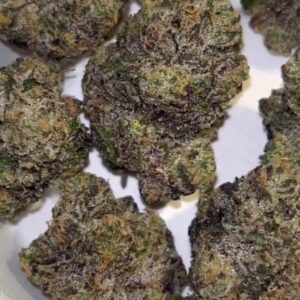
NEON WORMZ STRAIN By DOJA
Price range: $800 through $2 000Select options This product has multiple variants. The options may be chosen on the product pageClear1 P3 P -

-